Finding reliable “windows and siding near me” services starts with understanding which combinations of glazing and cladding actually lower energy bills while standing up to local weather. In 2026, homeowners who prioritize airtight construction, low‑maintenance materials, and certified installers see up to 30 percent reduction in heating and cooling costs, according to the U.S. Department of Energy’s latest efficiency report. To make the right choice, focus on the performance ratings of both the windows and the siding, then match them with a contractor who offers a coordinated warranty.
Why Pairing Windows with Siding Matters
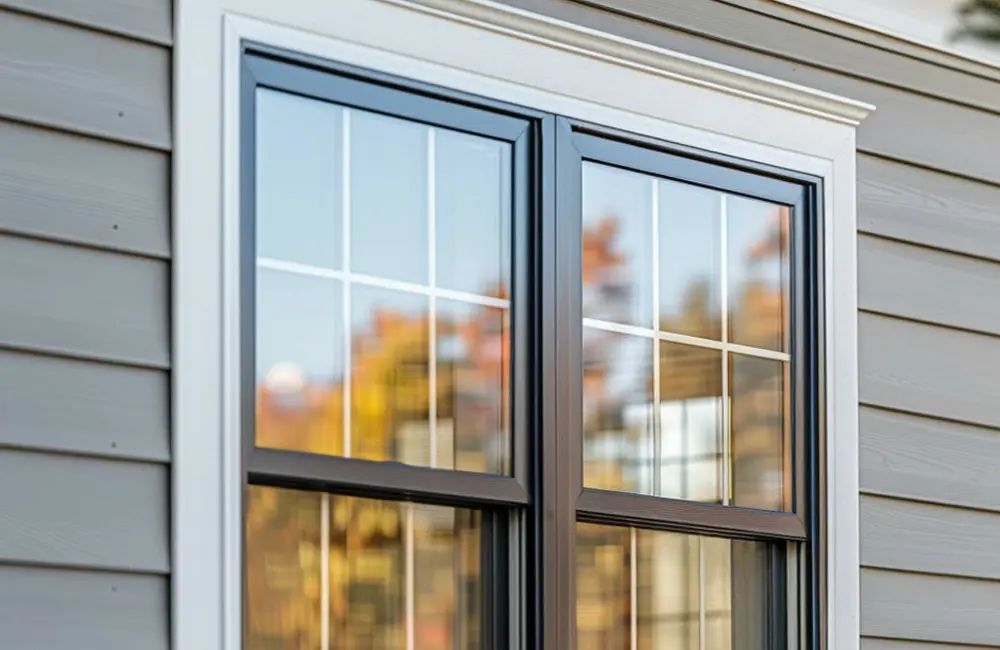
Windows and siding are the two most exposed elements of a building envelope. When they are installed as separate projects, gaps, mismatched flashing, or inconsistent insulation can create thermal bridges that let conditioned air escape. A unified approach ensures:
- Continuous air barrier: Proper flashing around windows integrates with siding seams, preventing drafts.
- Moisture management: Modern siding systems, such as fiber‑cement or LP Smart Siding, include built‑in drainage planes that protect window frames from water intrusion.
- Energy efficiency: Combining high‑performance double‑pane windows with low‑emissivity (Low‑E) coatings and insulated siding reduces the overall U‑value of the exterior shell.
Top Window Technologies for 2026

When scouting “windows and siding near me,” start with the glazing. The most energy‑savvy options this year include:
Table of Contents
- Why Pairing Windows with Siding Matters
- Top Window Technologies for 2026
- 1. Triple‑Pane Low‑E Windows
- 2. Fiberglass Frames
- 3. Smart Ventilation Windows
- Best Siding Materials to Complement High‑Performance Windows
- LP Smart Siding
- Hardie Plank (Fiber‑Cement)
- Cedar Shake & Board & Batten
- How to Locate Trustworthy “Windows and Siding Near Me” Contractors
- Cost Considerations in 2026
- Real‑World Example: A Suburban Home in Austin, TX
- Common Mistakes to Avoid
- FAQ
- What is the best order of installation?
- Do I need a separate house‑wrap if I choose LP Smart Siding?
- How often should I repaint or reseal my siding after a window replacement?
- Can I combine different siding materials on the same house?
- Are there tax credits available for window and siding upgrades?
- Putting It All Together: A Step‑by‑Step Checklist
1. Triple‑Pane Low‑E Windows
Triple glazing adds an extra layer of argon‑filled space, cutting heat loss by roughly 15 % compared with double‑pane units. The Low‑E coating reflects infrared radiation, keeping summer heat out and winter warmth in. ENERGY STAR 2026 certification now requires a minimum Solar Heat Gain Coefficient (SHGC) of 0.25 for most climate zones.
2. Fiberglass Frames
Fiberglass resists warping and expands less than wood or vinyl, preserving seal integrity over decades. According to the National Fenestration Rating Council (NFRC), fiberglass frames paired with triple‑pane glass achieve the lowest overall window U‑value (as low as 0.18 Btu/hr·ft²·°F) in the residential market.
3. Smart Ventilation Windows
Some premium models now incorporate sensors that automatically adjust opening angles based on indoor humidity levels, helping to prevent condensation on the interior side of the glass—a common issue that can damage both windows and surrounding siding.
Best Siding Materials to Complement High‑Performance Windows
Choosing the right cladding amplifies the benefits of modern windows. Below are the most durable, low‑maintenance options verified by industry testing in 2026.
LP Smart Siding
Engineered with a proprietary polymer blend, LP Smart Siding offers superior resistance to impact, fading, and moisture. Its built‑in water‑resistive barrier (WRB) aligns perfectly with window flashing, reducing the need for separate house‑wrap. LP Smart Siding Review 2026 – The Ultimate Smart, Energy‑Efficient Home Exterior Solution highlights how the product’s R‑value of 2.5 per inch helps maintain interior temperatures.
Hardie Plank (Fiber‑Cement)
Hardie Plank remains a favorite among contractors for its longevity and fire resistance. The 2026 guide Hardie Plank Siding 2026: Ultimate Guide to Durable, Low‑Maintenance Home Exteriors notes that the material’s dense composition eliminates the swelling issues seen in vinyl, which can compromise window seals.
Cedar Shake & Board & Batten
For a rustic aesthetic, cedar shake siding or board‑and‑batten panels add natural insulation and breathability. When properly sealed, they work well with high‑performance windows, especially in regions with significant temperature swings. The Cedar Shake Siding 2026: The Complete Guide reports an average lifespan of 30‑40 years when combined with a high‑quality paint system.
How to Locate Trustworthy “Windows and Siding Near Me” Contractors
Even the best products underperform if installed by inexperienced crews. Follow these steps to vet local professionals:
- Check certifications. Look for installers licensed by the manufacturer (e.g., James Hardie Certified Installer) and those holding ENERGY STAR or NGBS (National Green Building Standard) accreditations.
- Ask for a bundled warranty. A comprehensive warranty that covers both windows and siding—often up to 10 years for windows and 20 years for siding—signals confidence in coordinated installation.
- Review past projects. Request before‑and‑after photos, and verify that the contractor performed proper flashing details around the window‑siding interface.
- Get multiple quotes. Compare not only price but also the scope of work; a low bid that omits flashing or house‑wrap may cost more in the long run.
Cost Considerations in 2026
The average national cost for a full exterior retrofit—high‑efficiency windows plus premium siding—ranges from $45 to $75 per square foot, according to the Home Builders Institute’s 2026 market analysis. Factors influencing price include:
- Geographic climate zone: Cold‑climate windows and insulated siding carry a higher material premium.
- Material choice: LP Smart Siding and Hardie Plank sit at the higher end, while vinyl or engineered wood are more budget‑friendly.
- Labor rates: Urban markets with strong contractor demand can add 15‑20 % to the base price.
Real‑World Example: A Suburban Home in Austin, TX
John Martinez, a homeowner in Austin, partnered with a local contractor after searching “windows and siding near me.” He chose triple‑pane Low‑E windows with fiberglass frames and LP Smart Siding in a light‑gray finish. The project took 12 days, and his utility bills dropped 28 % during the first summer. The contractor also installed a gutter leaf guard to keep water away from the new flashing, extending the life of both systems.
Common Mistakes to Avoid
Even seasoned DIYers can stumble. Here are pitfalls that can compromise the synergy between windows and siding:
- Skipping the WRB. Relying solely on paint or caulk leaves gaps where moisture can seep behind the siding.
- Improper flashing overlap. The siding should always overlap the window flashing by at least 2 inches; otherwise, wind‑driven rain can infiltrate.
- Using mismatched insulation. If the cavity behind the siding is insulated but the window frame isn’t, thermal bridging occurs, nullifying the energy benefits.
FAQ
What is the best order of installation?
Install windows first, ensuring all flashing is sealed, then apply siding. This sequence lets the siding act as the final weather‑resistant barrier.
Do I need a separate house‑wrap if I choose LP Smart Siding?
No. LP Smart Siding includes an integrated WRB, but you should still apply flashing tape around windows for extra protection.
How often should I repaint or reseal my siding after a window replacement?
For fiber‑cement or LP Smart Siding, repaint every 7‑10 years. Vinyl siding typically requires only occasional cleaning.
Can I combine different siding materials on the same house?
Yes, but maintain consistent WRB and flashing details at material transitions to avoid moisture pockets.
Are there tax credits available for window and siding upgrades?
For 2026, the federal Energy Efficiency Tax Credit covers up to 30 % of qualifying improvements, including ENERGY STAR‑rated windows and certain insulated siding products. Check the IRS website for the latest eligibility criteria.
Putting It All Together: A Step‑by‑Step Checklist
- Identify climate‑appropriate window specifications (triple‑pane, Low‑E, fiberglass).
- Select siding that offers an integrated WRB (e.g., LP Smart Siding) or plan to install house‑wrap.
- Gather at least three quotes from certified installers who provide a combined warranty.
- Verify that the contractor will flash windows before applying siding.
- Confirm the project timeline and schedule a post‑installation inspection to ensure airtightness.
By treating windows and siding as a single system rather than isolated upgrades, homeowners can achieve lasting comfort, lower utility bills, and protect their property value. The “windows and siding near me” search becomes a gateway to a smarter, more resilient home when you prioritize coordinated installation, high‑performance materials, and reputable local contractors.
Explore more detailed guides on specific cladding options, such as the best siding for houses in 2026 or learn about the benefits of stone veneer as an alternative exterior finish.
