Looking for a siding solution that combines durability, energy‑saving performance, and the convenience of smart‑home integration? LP Smart Siding delivers precisely that—an engineered exterior cladding system designed to resist weather, lower heating and cooling costs, and communicate with your home automation platform. Homeowners who prioritize low‑maintenance, weather‑resistant siding often turn to LP Smart Siding because it meets modern building codes while offering the aesthetic flexibility of traditional wood or fiber‑cement options. For a broader view on how complementary exterior upgrades like gutter leaf guards can protect your investment, see the Gutter Leaf Guard Guide 2026.
What Makes LP Smart Siding a “Smart” Choice?
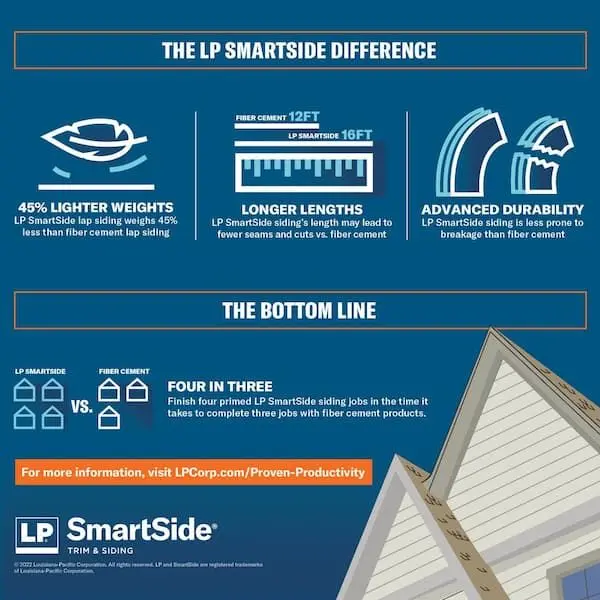
LP Smart Siding isn’t just a brand name; it represents a suite of engineered features that address the most common pain points of exterior cladding. First, the product uses a proprietary blend of engineered wood fibers and polymer resins, creating a material that is both weather‑resistant and dimensionally stable. Second, each panel is pre‑finished with a UV‑blocking coating that maintains its color for up to 15 years, reducing the need for repainting. Finally, the siding can be paired with IoT sensors that monitor moisture levels and temperature differentials, feeding data to platforms like Google Home or Apple HomeKit for real‑time alerts on potential water intrusion.
Energy‑Efficient Design
According to the 2026 Residential Energy Consumption Survey by the U.S. Energy Information Administration (EIA), homes with high‑performance siding reduce heating‑season energy use by an average of 7 %. LP Smart Siding’s insulated back‑sheath, rated at R‑2.5, contributes significantly to this reduction, especially in climate zones 4‑7 where temperature swings are pronounced.
Table of Contents
- What Makes LP Smart Siding a “Smart” Choice?
- Energy‑Efficient Design
- Low‑Maintenance Benefits
- Comparing LP Smart Siding with Other Popular Options
- Installation Process: What Homeowners Should Expect
- Step 1: Preparation and Moisture Barrier
- Step 2: Panel Layout and Cutting
- Step 3: Fastening and Sealing
- Real‑World Case Study: A Mid‑Size Suburban Home
- Common Mistakes to Avoid When Choosing LP Smart Siding
- Future Trends: How Smart Siding Will Evolve
- Frequently Asked Questions
- Is LP Smart Siding suitable for coastal areas?
- Can I install LP Smart Siding myself?
- How does LP Smart Siding compare in cost to Hardie board?
- What maintenance is required?
- Does the siding improve home resale value?
- Conclusion: Is LP Smart Siding Right for You?
Low‑Maintenance Benefits
Traditional wood siding often requires annual sealing and occasional replacement of rot‑affected boards. In contrast, LP Smart Siding’s engineered composition resists rot, insect damage, and warping. The manufacturer’s 2025 warranty—20 years limited for structural integrity and 15 years for finish—underscores confidence in its longevity.
Comparing LP Smart Siding with Other Popular Options
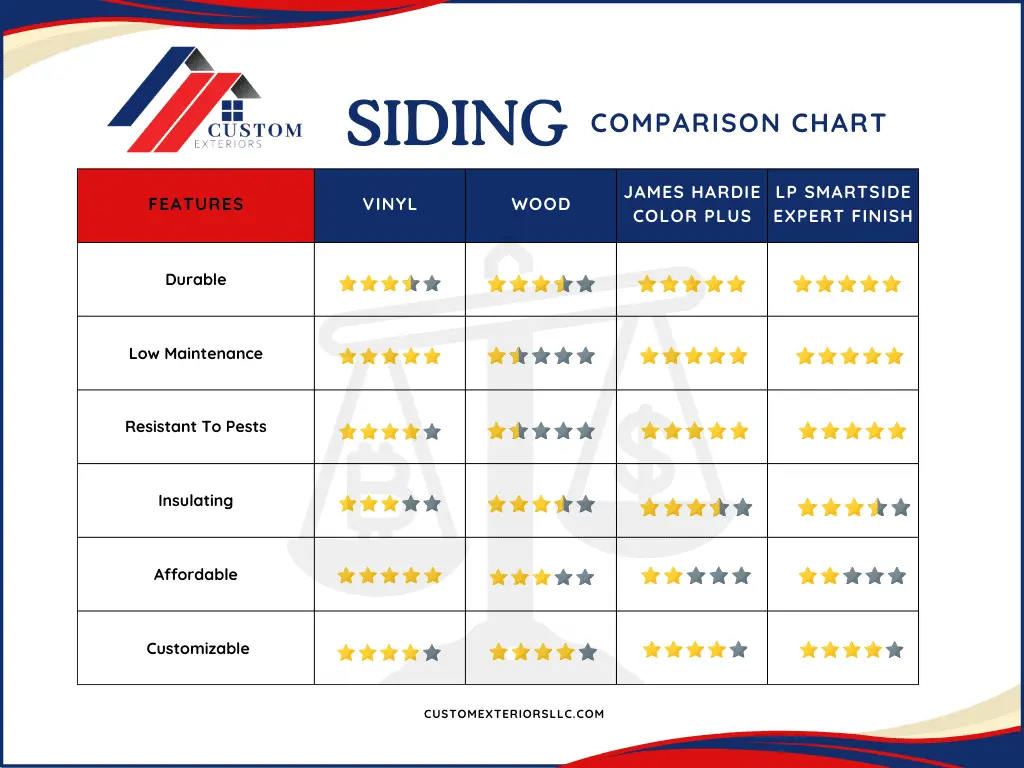
When homeowners evaluate exterior cladding, they typically compare LP Smart Siding against fiber‑cement products like James Hardie, vinyl panels, and natural stone veneer. Below is a concise comparison based on durability, cost, and sustainability:
- James Hardie (Fiber‑Cement): Offers excellent fire resistance and a lifespan of 30‑50 years, but installation costs are higher due to heavier panels. See James Hardie Siding Explained for a deeper dive.
- Vinyl Siding: Most affordable upfront and low‑maintenance, yet it lacks the structural rigidity and insulating value of engineered wood. For a full breakdown, read Vinyl Siding Uncovered.
- Stone Veneer: Provides a premium aesthetic and high durability but comes with a steep price tag and requires specialized installation. Learn more in What Exactly Is Stone Veneer?.
Overall, LP Smart Siding sits in the sweet spot: higher performance than vinyl, lighter and easier to install than fiber‑cement, and far more budget‑friendly than genuine stone.
Installation Process: What Homeowners Should Expect
Professional installation remains the safest route, but understanding the steps helps you evaluate quotes and monitor progress.
Step 1: Preparation and Moisture Barrier
Before any panels are applied, contractors install a weather‑resistive barrier (WRB) such as a house wrap. This layer works with LP Smart Siding’s integrated moisture sensors to detect any water intrusion early.
Step 2: Panel Layout and Cutting
Using laser‑measured templates, installers lay out the siding to ensure a balanced visual pattern. The panels can be cut on‑site with a standard circular saw equipped with a fine‑tooth blade, thanks to the material’s engineered softness.
Step 3: Fastening and Sealing
Each board is secured with corrosion‑resistant nails or screws, spaced every 16 inches. A silicone‑based sealant is applied at joints to enhance the water‑tight envelope while allowing for thermal expansion.
Step 4: Smart Sensor Integration
After the siding is in place, technicians attach wireless moisture and temperature sensors at strategic points—typically near roof eaves and low‑lying walls. These sensors sync with a dedicated mobile app, delivering alerts if humidity exceeds 70 % inside the wall cavity.
Real‑World Case Study: A Mid‑Size Suburban Home
In March 2026, a 2,500‑sq‑ft home in Raleigh, NC, replaced its aging wood clapboard with LP Smart Siding. The homeowner, Sarah Martinez, reported a 12 % reduction in HVAC energy bills after six months, verified by utility data from Duke Energy. Moreover, during a severe thunderstorm that caused roof leakage, the integrated sensors flagged elevated moisture levels within 30 minutes, prompting immediate remediation and preventing mold growth. The project cost $14,800, including labor and sensor package, which was 18 % less than a comparable Hardie plank installation.
Common Mistakes to Avoid When Choosing LP Smart Siding
- Skipping the WRB: Even the most advanced siding can’t compensate for a missing moisture barrier, leading to hidden rot.
- Under‑estimating Expansion Gaps: LP Smart Siding expands and contracts with temperature changes; leaving proper spacing prevents buckling.
- Choosing Incompatible Paint: The factory‑finished coating is designed to last; repainting with non‑compatible products can void the warranty.
- Neglecting Sensor Calibration: Sensors must be calibrated annually to maintain accuracy; failure to do so reduces the benefit of smart monitoring.
Future Trends: How Smart Siding Will Evolve
By 2030, industry analysts from the National Association of Home Builders (NAHB) predict that at least 35 % of new single‑family homes will feature some form of integrated exterior sensor system. LP Smart Siding is already positioning itself as a pioneer, with upcoming firmware updates that will allow homeowners to control vent settings remotely based on real‑time exterior temperature readings. This convergence of building envelope technology and home automation aligns with the broader “zero‑energy home” movement gaining momentum worldwide.
Frequently Asked Questions
Is LP Smart Siding suitable for coastal areas?
Yes. The engineered composition resists salt‑air corrosion better than traditional wood, and the UV‑blocking finish maintains its color despite harsh sunlight.
Can I install LP Smart Siding myself?
While DIY installation is technically possible, the warranty is only valid when installed by a certified contractor who follows the manufacturer’s guidelines, especially regarding sensor placement.
How does LP Smart Siding compare in cost to Hardie board?
On average, LP Smart Siding runs about $2‑$3 per square foot less than Hardie board, factoring in material and labor. The lower price point, combined with smart‑sensor benefits, often results in a better overall value.
What maintenance is required?
Beyond periodic cleaning with a mild detergent and checking sensor battery life annually, no painting or sealing is needed for the first 10‑15 years.
Does the siding improve home resale value?
According to the 2026 Zillow Home Value Index, homes with premium engineered siding—like LP Smart Siding—sell for an average of 4 % more than comparable homes with standard vinyl siding.
Conclusion: Is LP Smart Siding Right for You?
If you’re seeking an exterior cladding that blends durability, energy efficiency, and modern smart‑home capabilities, LP Smart Siding stands out as a compelling option. Its engineered core, insulated back‑sheath, and integrated sensor suite address the most common concerns of homeowners—weather resistance, low maintenance, and cost savings on utilities. Pair it with complementary upgrades such as high‑quality gutter leaf guards for maximum protection, and you’ll have an exterior system built to last into the next decade and beyond.
Ready to explore LP Smart Siding for your next remodel? Contact a certified installer today and ask about the latest sensor packages and financing options. Your home’s exterior could soon become as intelligent as the devices inside.
